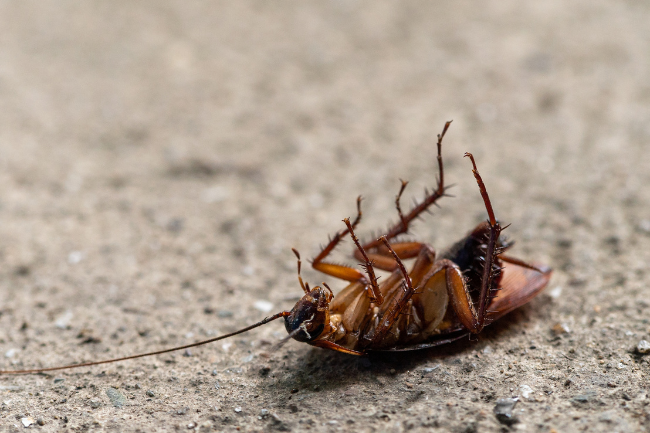
Nobody wants to admit they have a pest infestation, whether that's rats, ants, flies, moths, or bedbugs. Maybe it's the perceived shame of having your local exterminator’s van parked outside your home, or maybe it's the idea that another sprinkle of powder and a change of bin liners will sort it out. Either way, you’re a little reluctant to ask for help.
Really, there’s nothing wrong with trying to tackle infestations and preventative pest control on your own. In minor infestations, DIY solutions are some of the most practical. The real problem comes when you can’t (or refuse to) acknowledge that the infestation has grown out of your control.
In this blog, our UK-based pest control team will lay out all the signs that it's time to put down the spray can and call in your local exterminators to help.
At What Point is it Considered an “Infestation”?
The occasional fly or mouse sighting isn’t always an infestation, as many pests travel far from their nests to find their food. When you see multiple confirmation signs that there is a population inside your home, that’s the point at which you should consider it an infestation.
Each pest has its own warning signs. But the most universal signs of an infestation are a persistent bad smell and increased visual sightings, especially during the day if the pest is nocturnal.
At What Point Should You Call Pest Control?
When you have been using DIY methods and the pest population hasn’t been reduced, or if the infestation immediately returns when you cease treating it - that’s the time to call in your local exterminators. Furthermore, you should immediately turn to pest control for difficult-to-manage pests like bedbugs and cockroaches, or if the infestation involves structural damage to your home.
Persistent Encounters
Many times, traps and sprays you buy from the shop are enough for curative and preventative pest control. But if you find that you cannot stop using these methods because the infestation returns in full each time, then you’re not in full control.
Pest control firms do more than just spray chemicals and leave. Preventative pest control, where we diagnose how pests are entering the building, where they lurk, and how to address these weak points are an essential part of any pest control service.
It often ends up cheaper to address pest-attracting flaws in your property and lifestyle than constantly spending money on traps and sprays.
Out of Control Populations
Similarly, if you are having numerous visual encounters with pests, it's a sign the population has grown out of your control. Many nocturnal pests like rats only come out in the daytime when there’s simply no more room for them to hide.
DIY methods work best with small infestations and struggle to contain larger ones. If you find you’re not making a significant dent in the population, it's time to turn to the professional solutions carried by local exterminators, which are designed to stamp out deep-rooted infestations.
You Need to Get It Sorted NOW
Nobody likes living or working in a property knowing it's infested with disease-spreading pests. The sooner it's dealt with, the sooner life can return to normalcy. If you need your infestation gone as soon as possible, the fastest methods are only available to professional pest control.
How Long Does it Take for Professional Pest Control to Work?
It really depends on the type of infestation and its size. You’ll typically see results within 24 - 48 hours, but total elimination will take multiple visits over several days or weeks.
The reason for this is because of the pest's lifecycle. The first visit will eliminate the majority of the population, but there can still be eggs or breeding adults alive that can restart the infestation in as little as a week. Multiple visits from pest control ensures the pest lifecycle is disrupted enough to eliminate the infestation.
What is the Hardest Pest to Get Rid Of?
In the UK pest control sphere, bedbugs and cockroaches are the hardest pests to get rid of using over-the-counter methods. These insects are hardy, prolific, and innovative at finding hiding spots as small as a hairline crack. Their eggs can be equally hardy, requiring multiple visits to ensure their life cycles are fully disrupted.
A structured treatment plan with professional methods and preventative pest control aftercare and monitoring is the best way to remove pests that have established themselves in your property. So if you have read this far and believe it's time to call professional pest control specialists like Aderyn, we’re just one phone call and a free consultation away.
