5 of the Rarest UK Infestations
Not every pest problem involves rats, mice, wasps or cockroaches. Sometimes, the creatures causing concern are a little more unusual.
From false widow spiders appearing in sheds and outbuildings to bats taking up residence in roof spaces, some pest and wildlife encounters are less common than others. While certain species can cause damage or become a nuisance, others are largely harmless and simply need to be managed appropriately.
Unusual pest sightings can be difficult to identify, particularly when you're unsure whether you're dealing with an infestation, a seasonal visitor or protected wildlife. Understanding what you're looking at is the first step towards finding the right solution.
In this blog, we'll look at five of the UK's more unusual pest and wildlife problems, why they occur and what you should do if you discover them around your home or business.
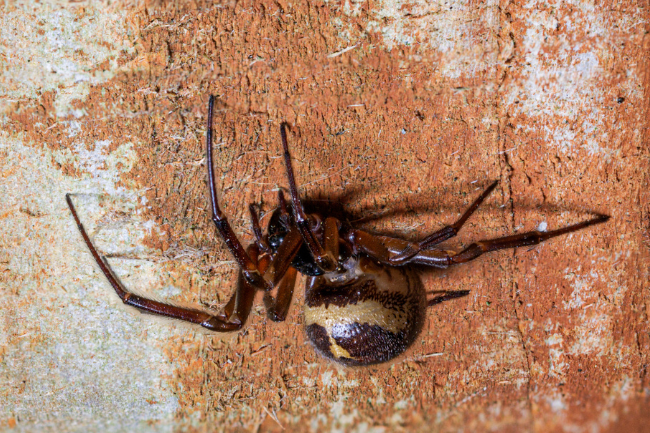
1. False widow spiders
False widow spiders are among the UK's more talked-about spider species, largely because of their appearance and occasional association with bites.
There are several species of false widow spider in the UK, with the noble false widow being one of the most recognisable. They are often mistaken for black widow spiders because of their dark colouring and rounded bodies, although they are different species.
False widow spiders are typically found in sheltered locations, including sheds, garages, greenhouses, lofts and other quiet areas around buildings. They build irregular, tangled webs and tend to avoid busy areas where there is regular disturbance.
Although their bites can cause discomfort, false widow spiders are not generally considered dangerous to people. Bites are relatively uncommon and usually occur when a spider feels threatened or becomes trapped against the skin.
Are false widow spiders dangerous?
False widow spiders can bite, but they are not usually a significant health risk to humans. Most bites result in localised pain, redness or swelling, although reactions can vary. Medical advice should be sought if symptoms are severe or unusual.
If you're regularly finding spiders in areas where they could come into contact with people, it's worth investigating why they're appearing and whether there are conditions attracting them.
Professional insect pest control can help identify the species and establish whether further action is necessary. In many cases, reducing clutter, removing undisturbed hiding places and managing other insects that provide a food source can help discourage spider activity.
2. Bats in roof spaces and buildings
Finding bats in your loft or roof space can come as quite a surprise. While they aren't technically a pest infestation, bats sometimes take up residence in buildings, making them an unusual wildlife issue for property owners.
Bats use buildings for shelter, particularly during the warmer months when maternity roosts may be established. Roof spaces, lofts, gaps in roof coverings and other sheltered areas can provide suitable conditions.
You might notice droppings around an entrance point, hear scratching or fluttering noises, or actually see bats entering and leaving your property at dusk.
Unlike many other animals that may take shelter in buildings, bats are legally protected in the UK. Their roosts are also protected, meaning it is illegal to deliberately damage or disturb them or their roosts without the appropriate authorisation.
What should you do if you find bats in your property?
If you discover bats in your loft or another part of your building, don't attempt to remove them, block their access points or disturb their roost.
Instead, seek advice from an appropriately qualified bat specialist who can establish what is happening and advise on the correct next steps.
Wildlife removal requires a different approach from conventional pest control. A professional can help you understand the situation while ensuring any action taken complies with wildlife protection requirements.
At Aderyn, we understand that not every unusual animal sighting requires the same response. Correct identification is essential before deciding what, if anything, needs to be done.
3. Earwig infestations
Earwigs are relatively recognisable insects thanks to the distinctive pincers at the end of their bodies. Despite their slightly intimidating appearance, they are generally harmless to people.
They are most active at night and prefer damp, dark environments where they can hide during the day. You might find them underneath plant pots, in garden debris, around window frames or inside sheds and garages.
Earwigs are particularly attracted to moisture and can sometimes enter buildings through small gaps around doors, windows and other openings.
Although they are often considered garden insects, larger numbers can occasionally become a nuisance indoors. They may also feed on plants, flowers and other organic material.
Why are there so many earwigs around my property?
Earwigs are usually attracted to suitable shelter, moisture and food sources. A garden with plenty of damp vegetation, decaying leaves, plant pots and other sheltered spaces can provide ideal conditions.
If you're finding earwigs indoors, check for potential entry points and sources of moisture. Reducing damp conditions, clearing garden debris away from the building and sealing gaps around windows and doors can help reduce the likelihood of them entering.
Insect pest control may be appropriate if earwigs are appearing in significant numbers or repeatedly entering your property.
Preventative pest control is particularly useful when dealing with recurring problems, as it focuses on addressing the conditions that allow insects to thrive rather than simply treating the ones you can see.
4. Woodlice in homes and commercial buildings
Woodlice are another unusual visitor that can sometimes cause concern when they appear indoors.
Although they look a little like insects, woodlice are actually terrestrial crustaceans, making them more closely related to crabs and lobsters than spiders or beetles.
They thrive in damp environments because they need moisture to survive. Outdoors, they're commonly found underneath stones, logs, plant pots and piles of decaying vegetation.
However, woodlice can sometimes make their way into buildings, particularly properties with damp walls, leaking pipes, poor ventilation or other moisture-related issues.
Finding one or two woodlice indoors isn't necessarily a sign of an infestation. They generally don't reproduce successfully inside dry buildings, so repeated sightings may indicate an underlying moisture problem rather than a significant pest issue.
How do you prevent woodlice from entering your property?
The most effective approach is to reduce moisture and eliminate the conditions that attract them.
Check for leaking pipes, damp patches, poor ventilation and areas where water may be collecting around the building. It can also help to remove piles of leaves, garden waste and other damp materials from close to external walls.
If woodlice continue appearing despite these measures, a professional pest inspection can help establish how they're entering and whether further preventative pest control is needed.
It's important to remember that woodlice are generally harmless and don't damage buildings in the same way as wood-boring insects. However, persistent activity can indicate that another issue needs attention.
5. Cluster fly infestations
Cluster flies are a particularly unusual pest because, unlike many other flies, they often enter buildings specifically to find somewhere warm and sheltered to spend the colder months.
They are generally associated with rural areas and properties with accessible roof spaces, lofts and wall cavities.
During autumn, cluster flies can gather in large numbers on the sunny sides of buildings before finding small gaps and openings through which to enter.
Once inside, they may congregate in loft spaces, around windows and behind curtains. They can then become active again when temperatures rise, particularly on warmer winter days or during early spring.
Although cluster flies don't generally pose a significant health risk, large numbers can be unpleasant and create a nuisance for homeowners and businesses.
How do you prevent cluster flies from entering your property?
Preventing cluster flies is largely about reducing the opportunities for them to get inside.
Inspect external walls, window frames, rooflines and other potential entry points for gaps that could allow flies to enter. Sealing suitable openings and maintaining the building's exterior can help reduce the risk of future activity.
If cluster flies have already gathered inside your loft or wall spaces, simply removing the visible flies may not resolve the problem. There could be many more hidden away in areas that are difficult to access.
Professional insect pest control can help identify the extent of the problem and establish the most appropriate treatment.
For properties that experience recurring seasonal activity, preventative pest control can also help reduce the likelihood of the same issue returning year after year.
When should you call a professional pest controller?
Not every unusual insect or animal sighting requires professional intervention. However, if you're regularly finding pests indoors, discovering large numbers of insects or noticing signs of activity that you can't identify, it's worth seeking advice.
Some infestations can develop without being immediately obvious. Others may be linked to underlying problems such as damp, poor ventilation, accessible food sources or gaps in the building's structure.
A professional pest inspection can help establish:
-
Which species you're dealing with.
-
Whether there is an established infestation or simply occasional activity.
-
Where pests are entering or nesting.
-
Whether there are underlying conditions attracting them.
-
Which treatment or preventative measures are appropriate.
Choosing the right approach is particularly important when dealing with unusual species or protected wildlife. Not every situation can be resolved using conventional pest control methods.
If you're searching for an exterminator Cardiff or elsewhere in South Wales, it's important to choose a professional who can correctly identify the problem and recommend an appropriate solution.
At Aderyn, we provide professional pest control support, helping homeowners and businesses deal with a wide range of pest problems. From common household insects to less familiar infestations, our approach focuses on understanding the issue and finding an effective way to manage it.
Dealing with unusual pest problems
Discovering an unfamiliar insect or animal in your property can be unsettling, particularly when you're unsure whether it poses a risk or requires professional attention.
As we've explored, not every unusual visitor is necessarily harmful. False widow spiders, earwigs and woodlice can often be managed by addressing the conditions that attract them, while bats require specialist advice because of their protected status. Cluster flies, meanwhile, can become a recurring seasonal nuisance if suitable entry points aren't addressed.
The key is knowing what you're dealing with before deciding what to do next.
At Aderyn, we offer professional pest control and advice to help identify, manage and prevent unwanted pest activity. Whether you need insect pest control, advice on wildlife removal or support with a recurring infestation, our team can help you find the right solution.
If you've spotted something unusual around your home or business, get in touch with Aderyn today to discuss your pest control requirements.
